Almost every discussion about young dates (kurma muda) for fertility programs focuses only on the wife. Yet Indonesian reproductive-health data shows that male factors contribute roughly 30% of all difficulty-conceiving cases (Medcom, Journey of Indonesia, 2024-2025). Conception is not solely a woman's responsibility. This page honestly examines how young dates may support male reproductive health, framed as education and not as a miracle promise.
Why Male Fertility Is So Often Overlooked
Stigma pushes many couples to place the entire fertility burden on the wife. In reality, sperm quality, meaning count, motility (movement), and morphology (shape), strongly influences the chance of conception. Oxidative stress (excess free radicals) is a primary damager of sperm cells. This is where an antioxidant-rich diet, including fruits such as young dates, enters as a supporting factor, not a cure.
What Are Young Dates?
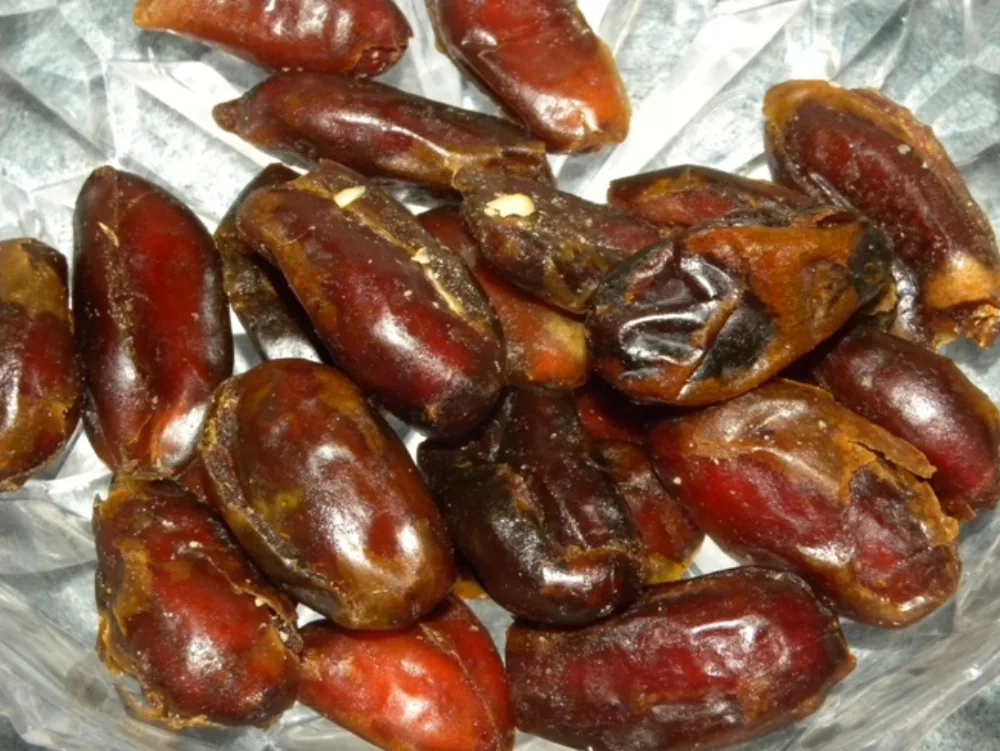
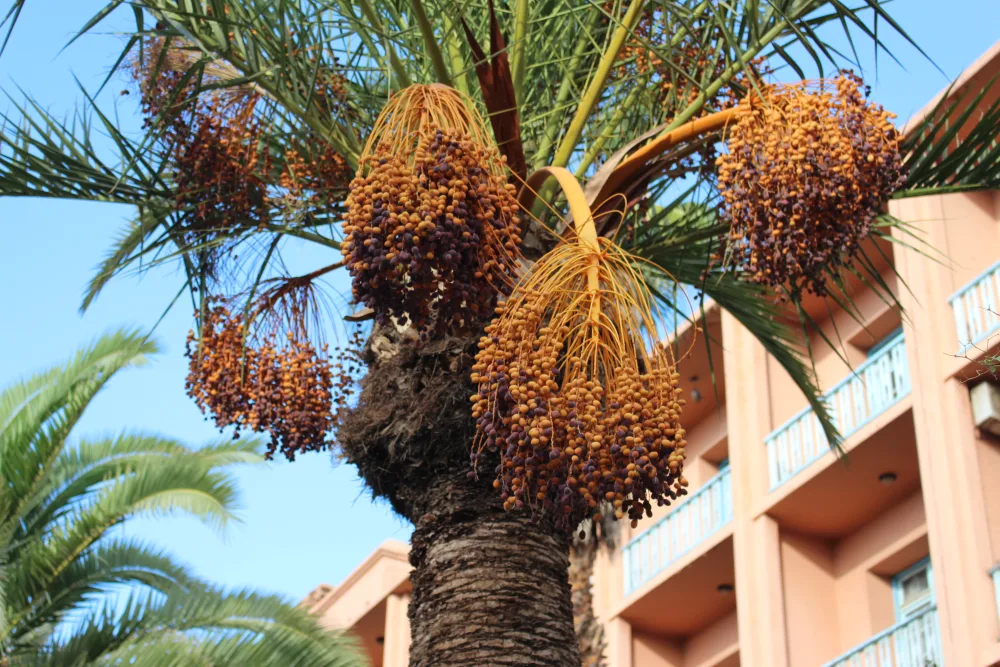
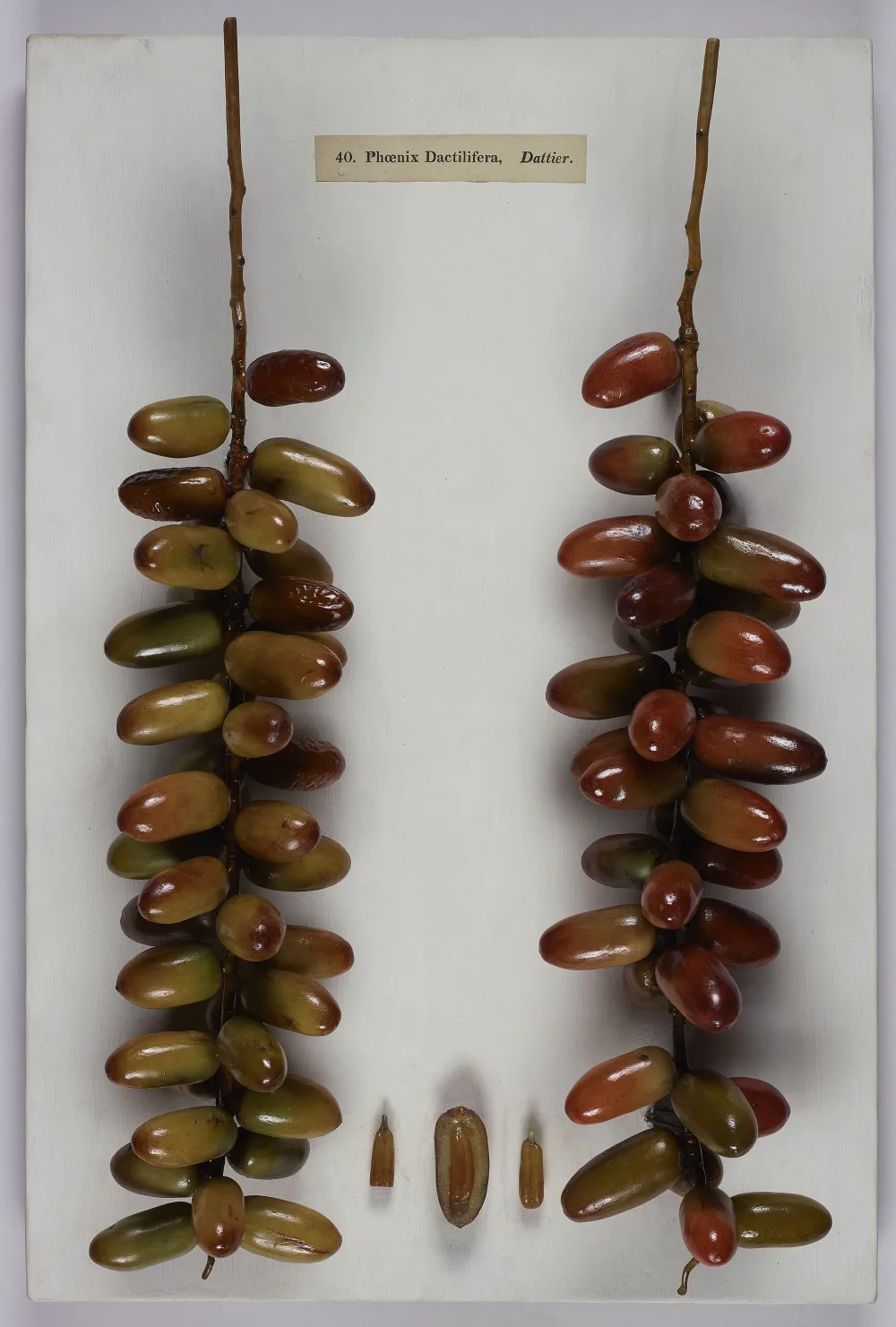
Young dates are dates at the khalal ripening stage (sometimes called balah), crisp in texture and yellow to red in color. At this stage moisture content is high (around 45-85%), sugar content is lower than fully ripe dates (tamr), and vitamin C content is relatively higher. This profile makes them an appealing nutrient-dense snack for couples on a fertility journey.
The Science: What Research Actually Says
It must be stated up front: no human study proves that young dates directly improve male fertility. What exists are studies on date palm pollen, date fruit extracts, and animal models that point in a positive direction. Here is a summary:
| Study | Subject | Key Finding |
|---|---|---|
| Falahati et al. (2023), Int J Fertil Steril | 40 infertile men, date palm pollen 400 mg/kg for 74 days | Sperm count rose significantly (P<0.001), semen volume improved, morphology improved; oxidative marker 8-isoprostane fell; antioxidant genes PRDX1 and PRDX6 increased |
| Tahvilzadeh et al. (2016), J Evid Based Complementary Altern Med | Review of date palm pollen | Potential to improve sperm count and motility plus LH, FSH, and testosterone |
| bioRxiv study (2020), rat model | Date fruit extract in cypermethrin-damaged rats | Reduced abnormal sperm shapes and improved motility |
| Universitas Padjadjaran study, Bandung (wistar rats) | Dates given to male rats | Increased percentage of sperm with normal motility and morphology |
Note that most evidence comes from date pollen and animal models, not from young dates eaten directly by humans. The honest conclusion is that young dates may support sperm health through their antioxidants and micronutrients, but they are not a proven fertility therapy.
Compounds in Young Dates Relevant to Sperm
Several nutrients in dates and fresh fruit are generally associated with male reproductive health:
- Antioxidants (flavonoids, phenolic acids such as coumaric and ferulic): help neutralize free radicals that can damage sperm DNA.
- Zinc: a mineral involved in testosterone production and sperm maturation.
- Folate (vitamin B9): supports healthy cell formation, including spermatogenesis.
- Vitamin C: a water-soluble antioxidant, relatively higher at the khalal stage.
- Potassium and magnesium: support cell function and electrolyte balance.
Important caveat: these nutrients work as part of an overall dietary pattern. A single date is not a magic supplement, just one small brick in a good nutritional foundation.
A Realistic Consumption Guide for Husbands
There is no official young-date dosage specific to men. As a safe general guide, many nutrition practitioners suggest moderate fruit intake:
| Aspect | Practical Suggestion |
|---|---|
| Daily amount | About 3-7 pieces (roughly 40-80 grams), adjusted to calorie needs |
| Timing | Morning as part of breakfast or before exercise |
| Pairing | Can be combined with honey and olive oil (a formula popularized by Dr. Zaidul Akbar) |
| For people with diabetes | Limit portions and consult a doctor since dates still contain natural sugar |
For couples, the best approach is a shared fertility journey: both husband and wife improve their diet, sleep enough, manage stress, quit smoking, and consult a doctor regularly. Young dates are a lifestyle complement, never a substitute for medical evaluation.
Lifestyle Factors That Matter More
Reproductive research consistently shows that quitting smoking, reducing alcohol, maintaining a healthy weight, avoiding excessive heat to the testicular area (sauna, laptop on the lap), and regular movement have real effects on sperm quality. An antioxidant-dense diet, including young dates, complements these efforts.
Understanding Oxidative Stress and Sperm
Why are antioxidants mentioned so often in the context of male fertility? Sperm cells are highly vulnerable to free-radical damage because their membranes are rich in polyunsaturated fatty acids and their self-repair capacity is limited. When free radicals exceed the body's ability to neutralize them, oxidative stress occurs, which can damage sperm DNA, reduce motility, and alter morphology. This is why the Falahati et al. (2023) study highlighted the drop in the 8-isoprostane marker and the rise in antioxidant genes PRDX1 and PRDX6 as key findings: both signal protection against oxidative damage. A diet rich in antioxidants, such as colorful fruits and vegetables including young dates, theoretically helps balance this state, though the magnitude of the effect in humans still needs further research.
Young Dates Compared with Other Nutrient Sources for Men
To keep expectations realistic, it is important to place young dates within an overall dietary pattern. Many other foods also contribute nutrients relevant to male reproductive health. The table below compares several popular sources in general terms:
| Source | Key Nutrients | Notes |
|---|---|---|
| Young dates | Antioxidants, vitamin C, potassium, fiber | A natural, fresh snack easily combined with honey and olive oil |
| Nuts and seeds | Zinc, selenium, vitamin E | A good source of zinc and selenium for sperm quality |
| Sea fish | Omega-3 fatty acids | Support healthy sperm-cell membranes |
| Leafy greens | Folate, antioxidants | Folate supports healthy cell formation |
| Berries & citrus | Vitamin C, polyphenols | Additional antioxidants to counter free radicals |
The core message is clear: young dates are not the only key, but one enjoyable component of a diet rich in antioxidants and minerals. Combining diverse sources is far more sensible than relying on a single food.
A Shared Fertility Journey: Turning Burden into Teamwork
One of the most positive effects of discussing young dates for husbands is a shift in perspective. When the husband is actively involved, the emotional burden long carried mostly by the wife becomes lighter and fairer. Some practical steps for a shared fertility journey:
- Eat breakfast together: make young dates, honey, and olive oil part of the couple's morning routine.
- Exercise regularly together: regular physical activity benefits both partners' hormones and weight.
- Get enough sleep: lack of sleep affects hormone balance in both men and women.
- Parallel examinations: get a semen analysis for the husband early, not after years.
- Emotional support: chronic stress affects fertility; mutual support lowers psychological pressure.
This approach aligns with data that about 30% of cases involve male factors, so the husband's involvement is not a formality but a real medical and emotional need.
Choosing Quality Young Dates for Fertility
Because young dates (ruthob/khalal) are moist and perishable, storage quality is decisive. As an importer with a direct-sourcing network spanning more than 40 years, we maintain a cold chain down to -20 degrees Celsius so the crisp texture and freshness are preserved. You can read our Young Date Varieties Guide to compare Libya Ruthob, Palestine Khalal, and yellow Barhi, and see our Fertility Bundle of young dates, honey, and olive oil.
This content is educational, not medical advice. For diagnosis and treatment of fertility issues, consult a specialist physician.