What Exactly Are "Young Dates"?
The term "young dates (kurma muda)" is often used loosely in Indonesia, even though botanically dates pass through several clearly distinct ripening stages. Understanding these stages helps you choose the right fresh young dates for your taste and needs. Let's break them down one by one.
The Four Date Ripening Stages
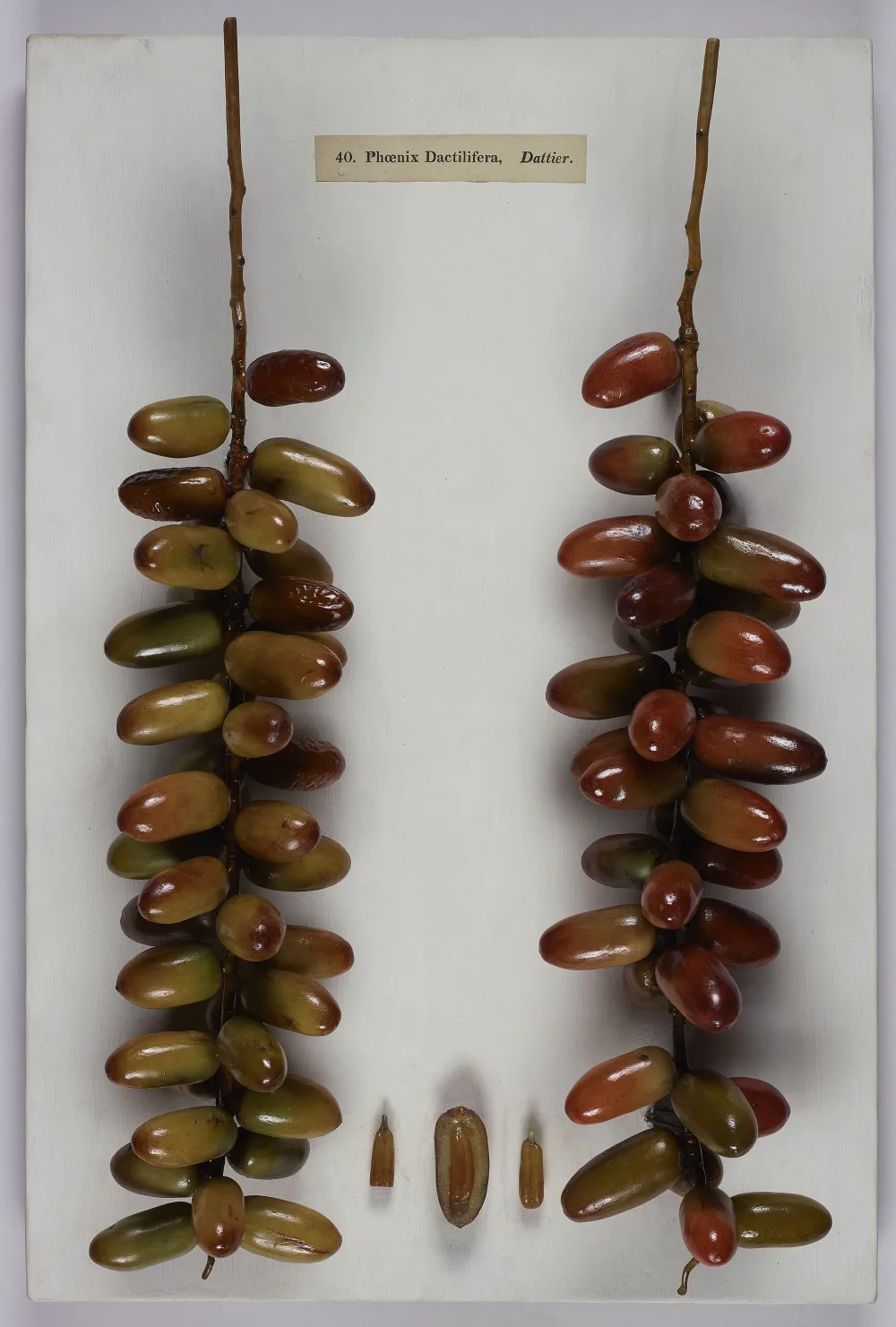
Dates develop through four main stages:
1. Kimri (Green Stage)
The earliest stage. The date is still green, hard, very astringent, and not yet fit to eat. This stage is rarely sold.
2. Khalal (Yellow Young Dates)
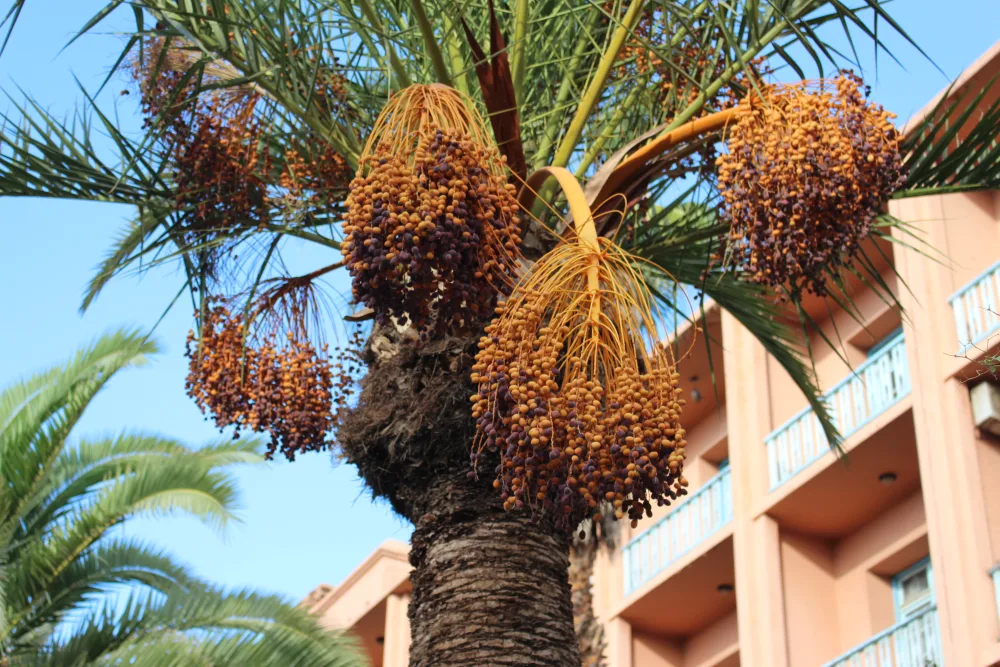
This is the first edible stage. The fruit reaches maximum size and weight, with a crisp texture, bright yellow or reddish colour, and a gently sweet flavour with slight astringency. The khalal stage lasts about 3–5 weeks. This is what is often called yellow young dates — for example yellow Barhi. Interestingly, research shows the khalal stage has the lowest reducing sugars and higher sucrose, plus the lowest glycemic load among the ripening stages.
3. Ruthab (Moist Young Dates)
The next stage. The date becomes soft, moist, and light brown, with moisture around 30–45%. Sugar content rises as starch converts to sugar. The ruthab stage lasts about 2–4 weeks. This is "young dates" in the sense often meant for juicy fresh eating — like Libya ruthab.
4. Tamar (Ripe/Dried Dates)
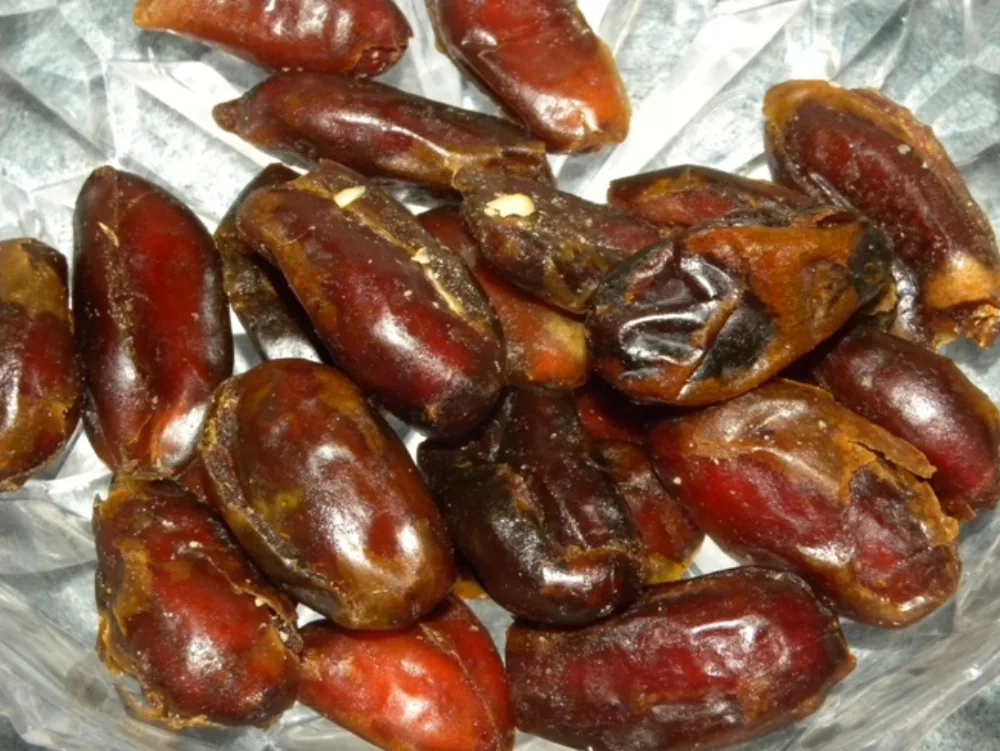
The final stage. The date turns dark brown, wrinkled, with a drier texture (moisture below 25%) and the highest sweetness. This is the dried date we commonly know year-round.
Quick Comparison
| Stage | Texture | Colour | Moisture | Note |
|---|---|---|---|---|
| Khalal | Crisp, firm | Yellow/red | High | Lowest GL (research) |
| Ruthab | Soft, moist | Light brown | ~30–45% | Juicy, sweet |
| Tamar | Dry, wrinkled | Dark brown | <25% | Lowest GI, sweetest |
Glycemic Index (GI) and Glycemic Load (GL)
A study published in a peer-reviewed journal found no statistically significant GI difference between ripening stages, but an interesting pattern: the khalal stage tends to have the highest GI but the lowest GL, while tamar has the lowest GI. For those watching sugar intake, khalal young dates can be a relatively friendly choice — though all dates remain sweet fruit to be eaten in moderation.
Which Should I Choose?
- Like it crisp and fresh? Choose khalal (yellow young dates) like yellow Barhi.
- Like it soft and juicy? Choose ruthab like Libya ruthab.
- Need long shelf life? Choose tamar (dried dates) or semi-dry.
Storage Note
The younger the stage (khalal and ruthab), the higher the moisture, so the more they need cold storage. Dry tamar keeps far longer at room temperature. This is why we handle young dates with a cold chain from our Cakung warehouse across Greater Jakarta.
Conclusion
"Young dates" generally refers to the khalal (yellow, crisp) and ruthab (moist, soft) stages — the two stages before the date dries out. Understanding the difference helps you choose well. Whatever your preference, Rumah Kurma Muda offers quality fresh options for Jakarta, Bekasi, Tangerang, Depok, and Bogor.