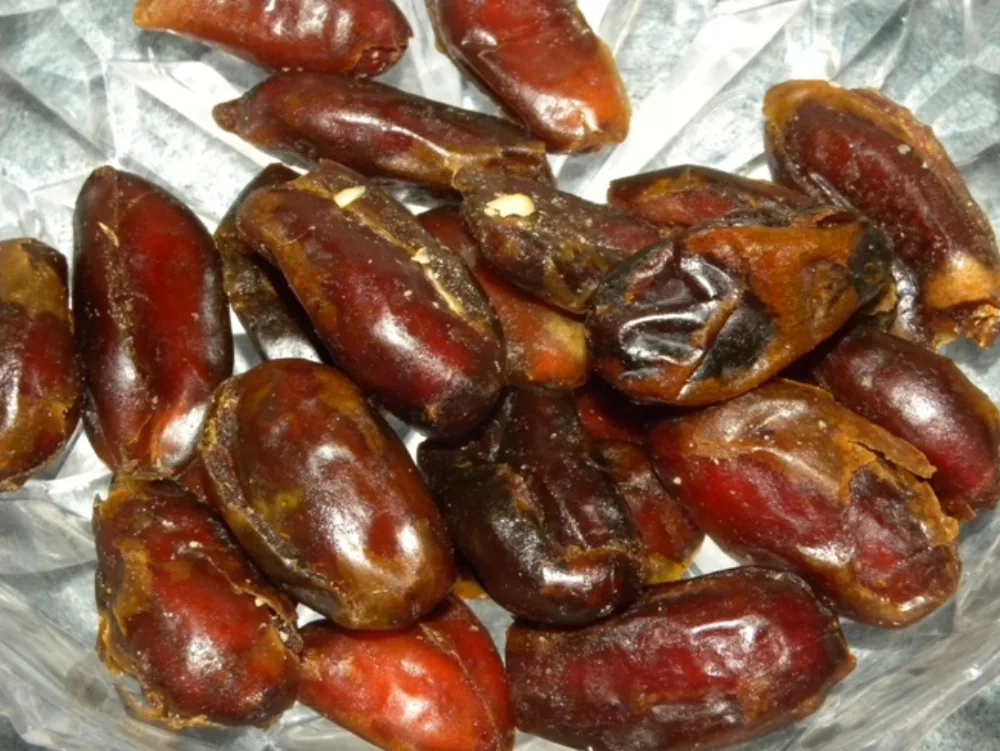
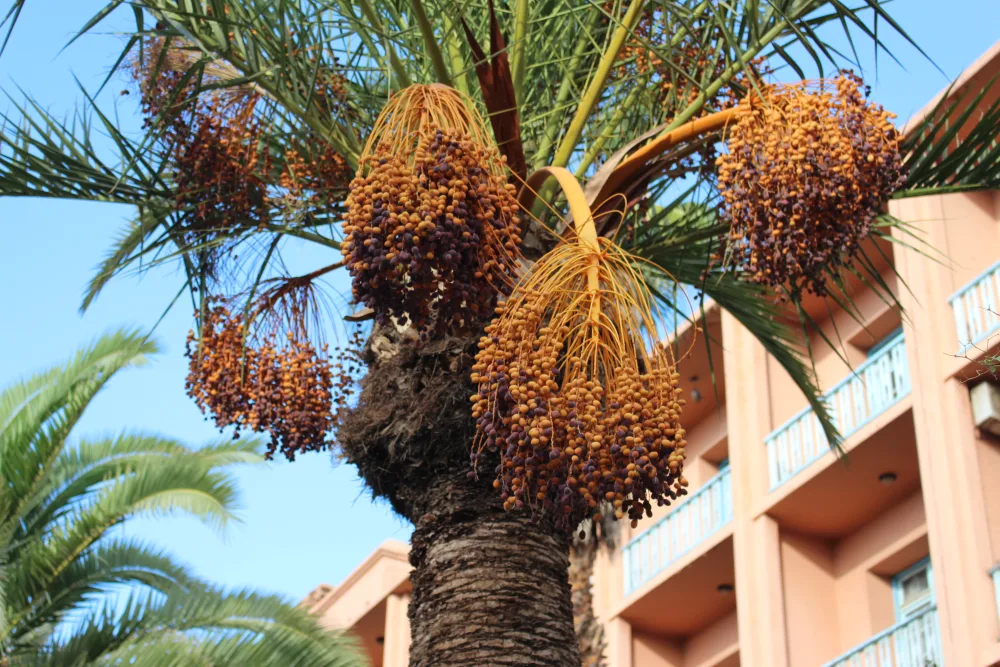
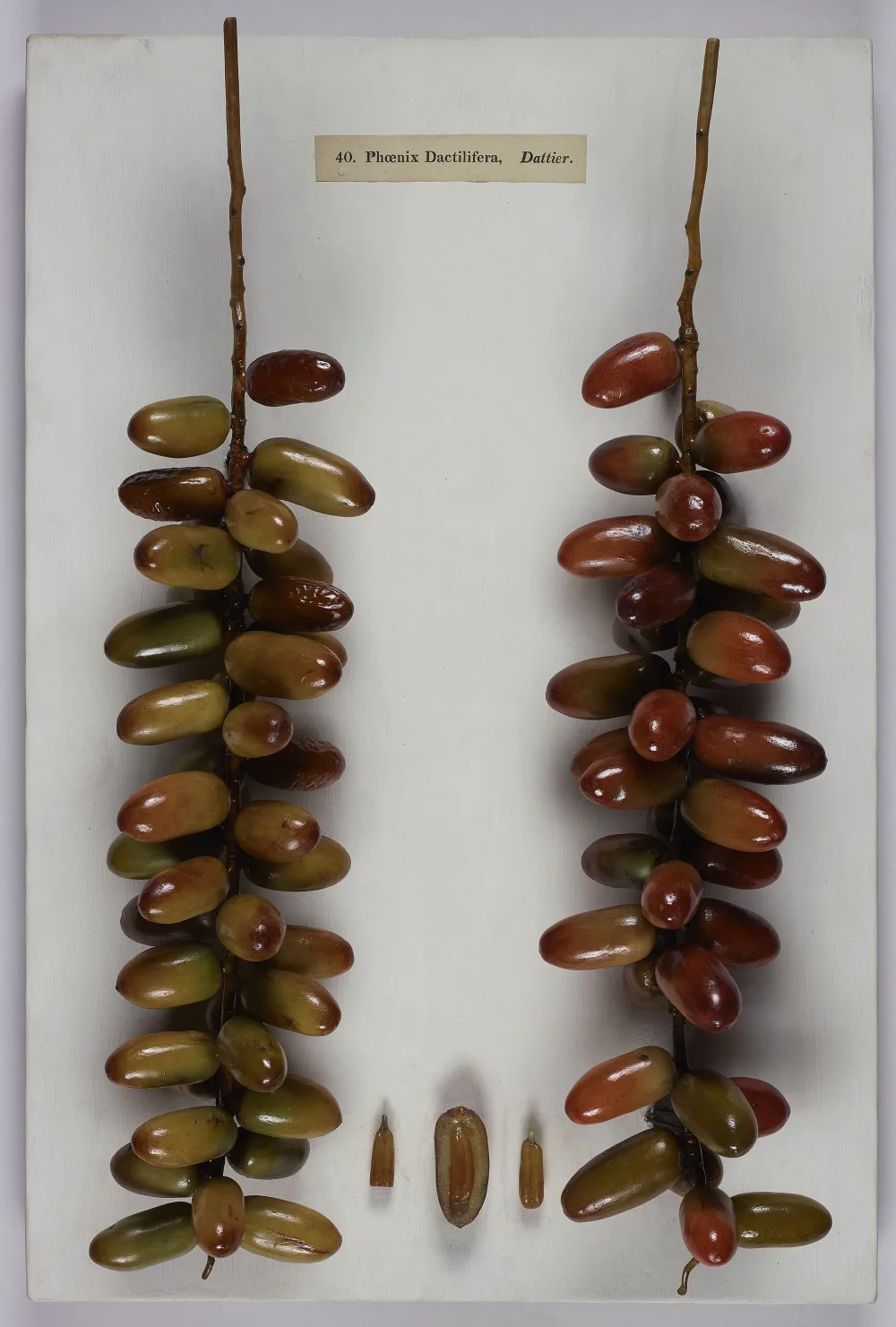
After conceiving, many mothers ask: are the young dates they ate during their fertility program still allowed and safe during pregnancy? The short answer is yes, in sensible portions. Interestingly, young dates (ruthob/khalal) have lower sugar content than fully ripe dates, so they are often considered friendlier for pregnant mothers who must watch their blood sugar. This article focuses specifically on young dates for pregnant women, covering safety, benefits, and consumption rules by trimester, honestly and with references.
Are Young Dates Safe for Pregnant Women?
In general, dates (including young dates) are safe for pregnant women in reasonable amounts. Young dates at the khalal stage have high moisture and lower sugar than tamr (dried ripe dates). For that reason, some health sources note that young dates are relatively safer for pregnant women with a history of high blood sugar, as long as portions are controlled. Even so, every pregnancy is different, so consulting a doctor or midwife remains important, especially if gestational diabetes or preeclampsia is present.
Why Lower Sugar Matters
During pregnancy, blood-sugar spikes must be managed. Fully ripe dates are very sweet (sugar content can reach around 70-75 grams per 100 grams in dried dates). Young dates, with higher moisture and lower sugar, deliver a lighter sweetness. This makes them a more controlled natural-snack option, though still to be eaten in reasonable portions.
Benefits of Dates for Pregnant Women
Various health sources (Hello Sehat, Prenagen, Halodoc) note the benefits of dates for pregnant women, including:
- Natural energy source: natural sugars (fructose and glucose) give quick energy, helping mothers who tire easily.
- Fiber for digestion: helps reduce the constipation common in pregnancy.
- Iron: supports red-blood-cell formation, relevant for preventing pregnancy anemia.
- Folate: an important nutrient for fetal development (though folate needs should still be met from other sources and supplements as advised by a doctor).
- Potassium and magnesium: support electrolyte balance and muscle function.
Dates and Labor Preparation: What Research Says
There is interesting evidence about dates in late pregnancy. Several studies (including some published in reproductive-health journals) show that eating about 6-7 dates per day (roughly 70-80 grams) in the final four weeks of pregnancy is associated with better cervical ripening and a reduced need for medical induction. The mechanism is thought to involve oxytocin-receptor sensitivity and prostaglandin production. Important to note: these studies generally used ripe dates, and decisions about consumption near labor should always be discussed with a doctor or midwife.
Date Consumption Rules by Trimester
| Phase | General Suggestion | Notes |
|---|---|---|
| Trimester 1 | Moderate portions, a few pieces per day | Be cautious if blood-sugar issues exist; prioritize nutrient variety |
| Trimester 2 | About 3-5 pieces per day as needed | Use the fiber to help prevent constipation |
| Trimester 3 (week 36 onward) | Some sources suggest 4-6 pieces per day | Related to labor preparation; always consult a doctor/midwife |
The figures above are general guidance from various health sources, not a personal medical prescription. The right dose depends on each mother's condition.
Tips for Safe Consumption
- Wash young dates thoroughly before eating, especially given their moist texture.
- Store young dates in the fridge or freezer to keep them fresh and prevent fermentation.
- If you have gestational diabetes, count carbohydrate portions and follow a dietitian's advice.
- Vary with other fruits for balanced nutrition.
An Overview of Date Nutrition
For perspective, here is an estimate of date nutrition. Note that exact figures vary by variety and ripening stage; young dates have higher moisture and lower sugar than the dried ripe dates that most nutrition tables use as a reference.
| Component | Estimate (per 100 g, ripe dates) | Relevance for Pregnant Women |
|---|---|---|
| Energy | About 270-280 kcal | Energy source; mind the portion |
| Natural sugar | About 65-75 g (lower in young dates) | Provides quick energy; control if blood-sugar issues exist |
| Fiber | About 6-8 g | Helps with constipation |
| Potassium | High | Supports electrolyte balance |
| Iron & folate | Present in useful amounts | Support blood-cell formation and fetal development |
Because young dates are higher in water, the sugar per piece is usually lighter than dried dates, so they feel less "heavy" when eaten.
Young Dates for Hydration and Early-Pregnancy Nausea
In the first trimester, many mothers experience nausea (morning sickness) and tire easily. Fresh, juicy young dates can be a light snack that helps with fluid intake while providing energy without an overly sweet taste that sometimes triggers nausea. If the sweetness is bothersome, try pairing them with water (infused dates) or eating small amounts more frequently.
What to Watch Out For
- Gestational diabetes: still limit portions and count carbohydrates even though young dates are lower in sugar.
- Hygiene: because they are moist, wash thoroughly and ensure they are not moldy or sour-smelling.
- Allergy: though rare, stop if an unusual reaction appears.
- Consult before labor: decisions to increase date portions in the final trimester should be discussed with a doctor or midwife.
Young Dates Compared with Other Pregnancy Snacks
| Snack | Advantages | Notes |
|---|---|---|
| Young dates | Natural energy, fiber, lighter sugar, juicy | Choose fresh; mind the portion |
| Dried ripe dates | Dense energy, rich in iron | Very sweet; more portion control needed |
| Other fresh fruit | Varied vitamins and fiber | Vary for balanced nutrition |
| Processed snacks | Convenient | Often high in added sugar/salt; limit |
From Fertility Program to Pregnancy
Many mothers who discovered young dates during their fertility program want to continue after conceiving. The key remains freshness and sensible portions. As an importer with a direct-sourcing network spanning more than 40 years and a chilled warehouse in Cakung, East Jakarta, we keep young dates fresh through a cold chain and serve Greater Jakarta. To understand the nutrition more deeply, read Health Benefits of Young Dates; for variety options, see our Young Date Varieties Guide.
This content is educational, not medical advice. Always consult your doctor or midwife about your pregnancy diet.