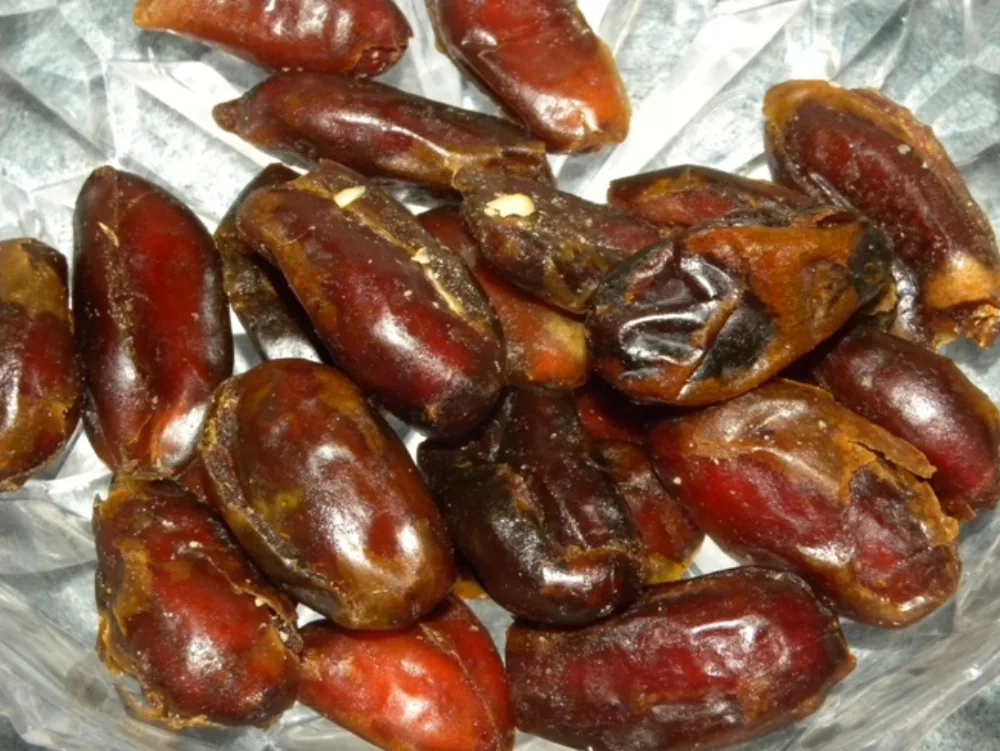
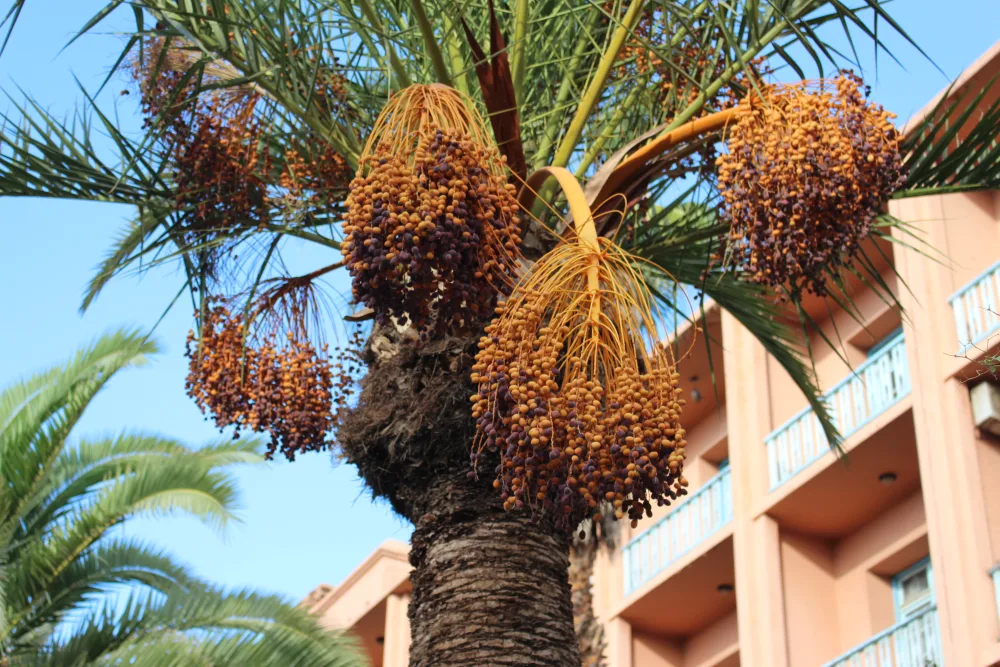
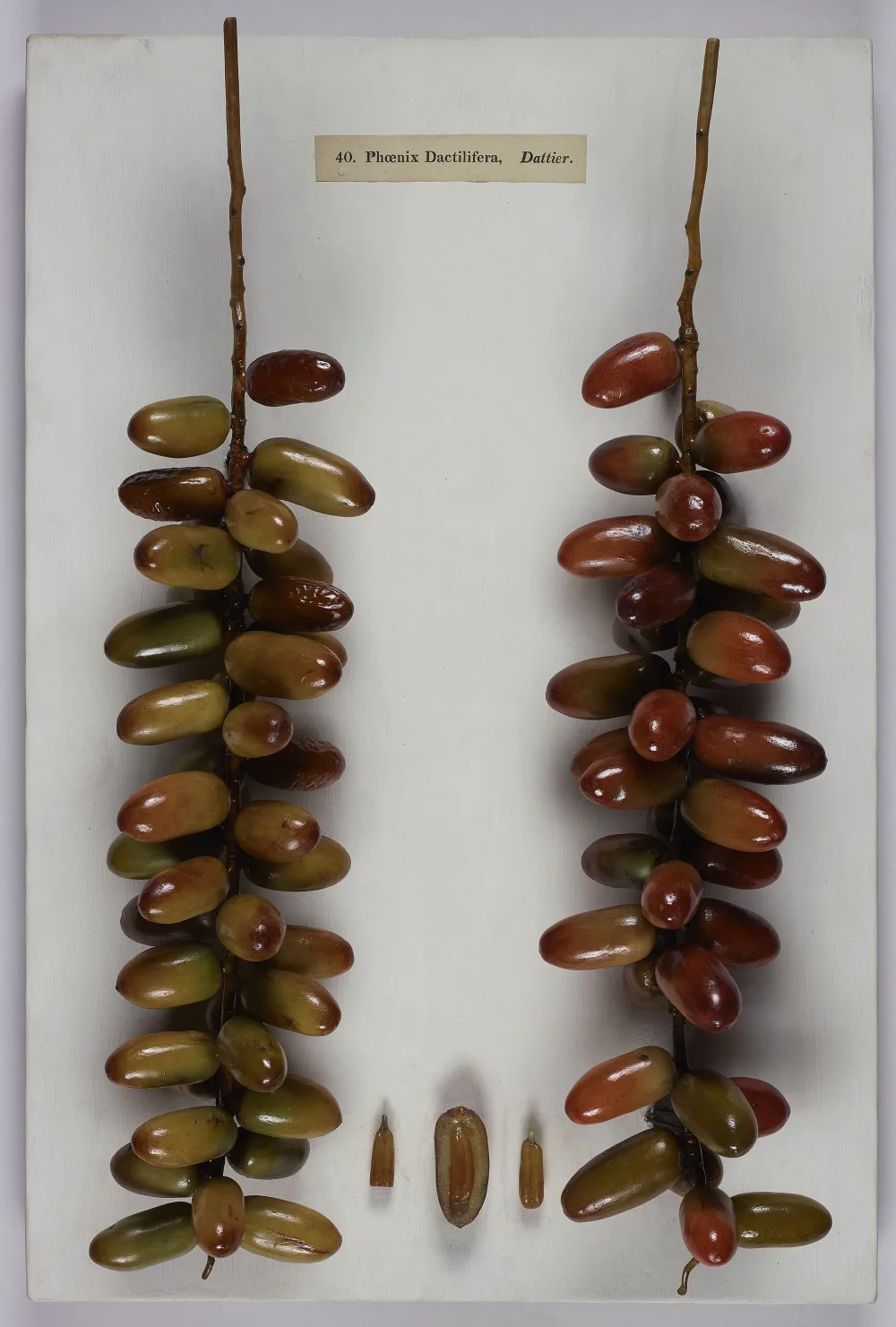
When buying young dates, many people get confused because the terms floating around are mixed: some say "Libya Ruthob", others "Palestine Khalal", and still others "yellow Barhi" or "Tunisian young dates". What is the difference, really? This guide explains the types and varieties of young dates by origin and characteristics, so you can choose by taste, purpose (such as fertility programs), and budget. An important point up front: some terms refer to a ripening stage, others to a tree variety.
First, Distinguish: Ripening Stage vs Variety
The words "ruthob" and "khalal" are not actually variety names but ripening stages of the date fruit. Khalal is the young stage (full-size fruit, crisp, yellow to red), while ruthab/ruthob is a half-ripe, softer, moister stage. Meanwhile, "Barhi", "Sukari", and "Medjool" are names of date-palm varieties. So "young Libya Ruthob dates" means dates at the young/moist stage from Libya, often from varieties such as Sukari or Barhi.
Popular Young Date Varieties and Origins in Indonesia
Here is a comparison of the young-date types most commonly found in the Indonesian market in 2025-2026:
| Type/Origin | Color & Texture | Taste | Availability | Notes |
|---|---|---|---|---|
| Libya Ruthob | Yellow, reddish, sometimes greenish; crisp to slightly soft | Lightly sweet, fresh | Most abundant; dominant in the market | The dominant, most affordable variety; often the price benchmark |
| Palestine Khalal | Bright yellow; crisp | Lightly sweet with a slight astringency typical of khalal | Seasonal; more limited supply | Carries emotional resonance for many Indonesian Muslim consumers |
| Yellow Barhi (Khalal Barhi) | Golden yellow, round; apple-crisp at khalal | Sweet and fresh; most attractive appearance | Seasonal; premium | The variety commonly enjoyed at all three stages (khalal, ruthab, tamr) |
| Tunisia (fresh Deglet Nour) | Slender, light brown | Not very sweet; resembles young fruit | Harvest September-December | A variety brand widely recognized in Indonesia |
1. Libya Ruthob: The Market Ruler
This is the most readily found young date and the one most people mean when they say "young dates" in Indonesia. Its color ranges from yellow and reddish to greenish, with a distinctive crisp texture. Because supply is abundant through imports, its price is the market benchmark, generally Rp 65,000-90,000 per kg. It suits daily consumption, including for fertility-program couples who want regular intake without excessive cost.
2. Palestine Khalal: A Choice with Meaning
Khalal from Palestine is bright yellow with a crisp texture. Beyond its quality, many Indonesian Muslim consumers choose it for emotional connection and solidarity. Availability tends to be seasonal, so supply is more limited than Libya Ruthob and the price can be higher.
3. Yellow Barhi: The Crisp Beauty
Barhi at the khalal stage is golden yellow, round, and famously crisp like biting into an apple. This variety is special because it can be enjoyed at all three ripening stages. Its appearance is the most photogenic, so it is often chosen for hampers or gift boxes. It is premium and seasonal.
4. Tunisia (Fresh Deglet Nour)
The Tunisian variety is slender, light brown, with a not-too-sweet taste, giving it a young-fruit character. Harvest generally runs September-December. Deglet Nour is one of the most widely recognized date-variety brands in Indonesia.
Which Is Best for Fertility Programs?
No single variety is "most potent" for fertility, because young dates offer nutritional support, not a fertility drug. What matters more is freshness and consistency of consumption. For couples wanting daily intake on a controlled budget, Libya Ruthob is the practical choice. For a premium look or emotional value, Palestine Khalal and yellow Barhi are alternatives. Combine them with an overall healthy diet and keep consulting your doctor about your fertility program.
Tips for Choosing a Variety to Suit Your Needs
- Budget daily consumption: choose Libya Ruthob.
- Gifts or hampers: choose photogenic yellow Barhi or a gift box.
- Emotional/solidarity value: choose Palestine Khalal (check seasonal availability).
- More neutral, less sweet taste: try the Tunisian variety.
Nutritional Differences Across Stages and Varieties
Beyond taste and appearance, there are nutritional differences worth understanding. In general, the younger the ripening stage (khalal), the higher the moisture and the lower the sugar compared with tamr (dried ripe dates). Vitamin C also tends to be higher at the khalal stage. Here is a general overview:
| Stage | Moisture | Sugar | Texture |
|---|---|---|---|
| Khalal (young dates) | High (around 45-85%) | Lower | Crisp |
| Ruthab | Medium | Medium-high | Soft, moist |
| Tamr (dried ripe) | Low | High (sugar can be around 70-75 g/100 g) | Chewy to firm |
For that reason, those watching blood sugar often consider khalal-stage varieties friendlier. However, differences between varieties (Libya, Palestine, Barhi) at the same ripening stage are not large; the biggest factors are the ripening stage and freshness.
How to Recognize Fresh Young Dates by Appearance
Whatever the variety, freshness is the main determinant of quality. Some signs of fresh young dates:
- Bright, even color: yellow, reddish, or golden without many dark spots.
- Crisp, firm texture: not soft, not excessively wrinkled.
- Not watery or slimy: a dry surface, not sticky-wet that signals spoilage.
- Fresh aroma: no sour or fermented smell.
- Clean stem: if still on the stem, this part is not moldy.
Storage According to Variety Character
Because all young-date varieties are moist, storage determines how long freshness lasts:
- Fridge (chiller): suitable for consumption within a few days to about two weeks.
- Freezer: for long-term storage; freeze at a low temperature to preserve texture and taste. This is the method used in the import chain.
- Room temperature: avoid long storage because young dates ferment quickly.
Variety Availability Calendar
| Variety/Origin | Peak Season | Availability Notes |
|---|---|---|
| Libya Ruthob | September-December (harvest) | Available year-round via frozen stock |
| Palestine Khalal | Seasonal | More limited supply; check availability |
| Yellow Barhi | Seasonal | Premium; limited quantity |
| Tunisia | September-December | Off-season depends on frozen stock |
Quality Starts at the Source
Because all young-date varieties are moist and perishable, the key is cold-chain handling. As an importer with a direct-sourcing network spanning more than 40 years, we preserve freshness from origin to our chilled warehouse in Cakung, East Jakarta, and serve Greater Jakarta. To understand the ripening stages more deeply, read our Ruthab, Khalal, Tamar guide; for fertility consumption, see How to Eat Young Dates for Fertility.